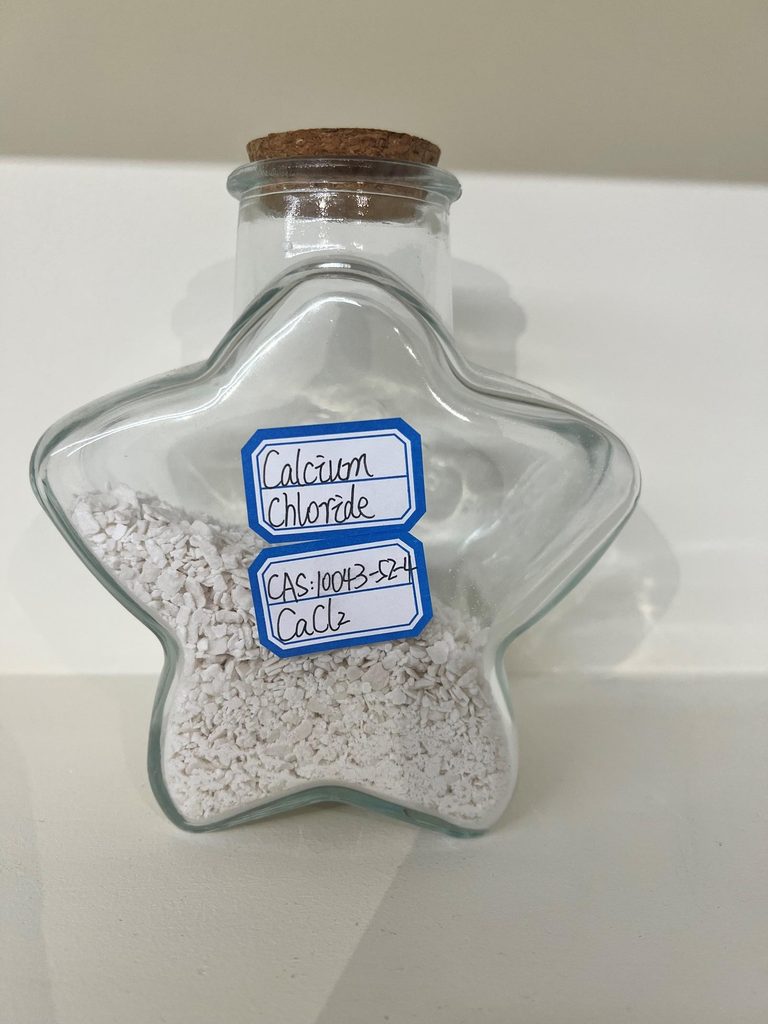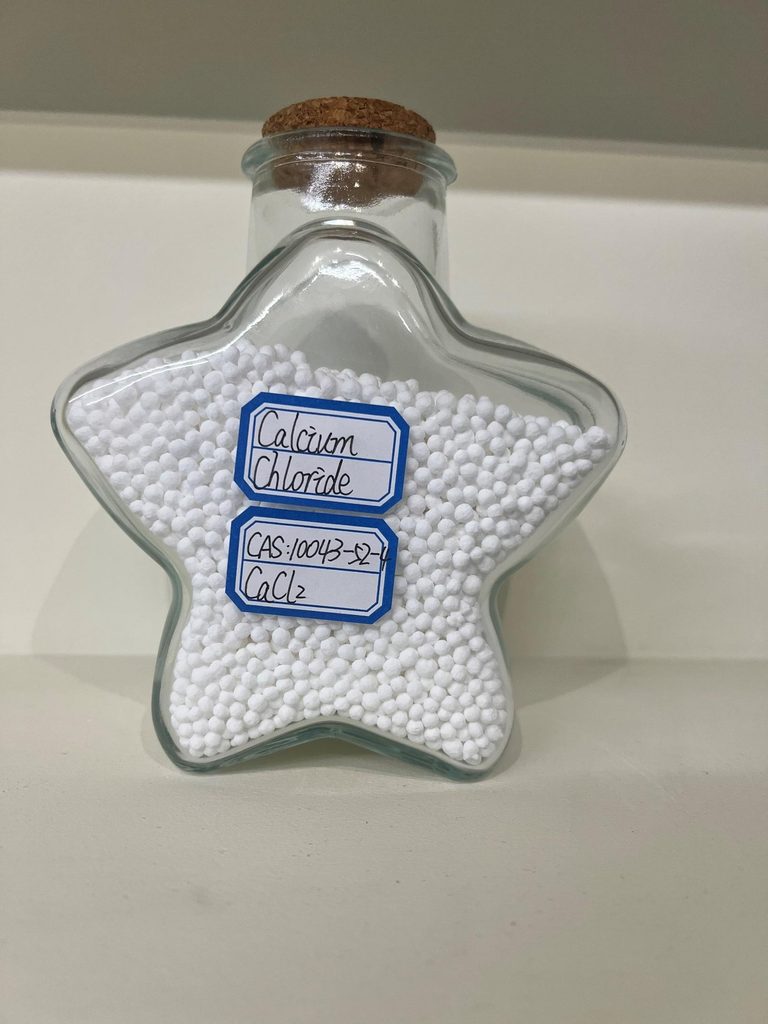

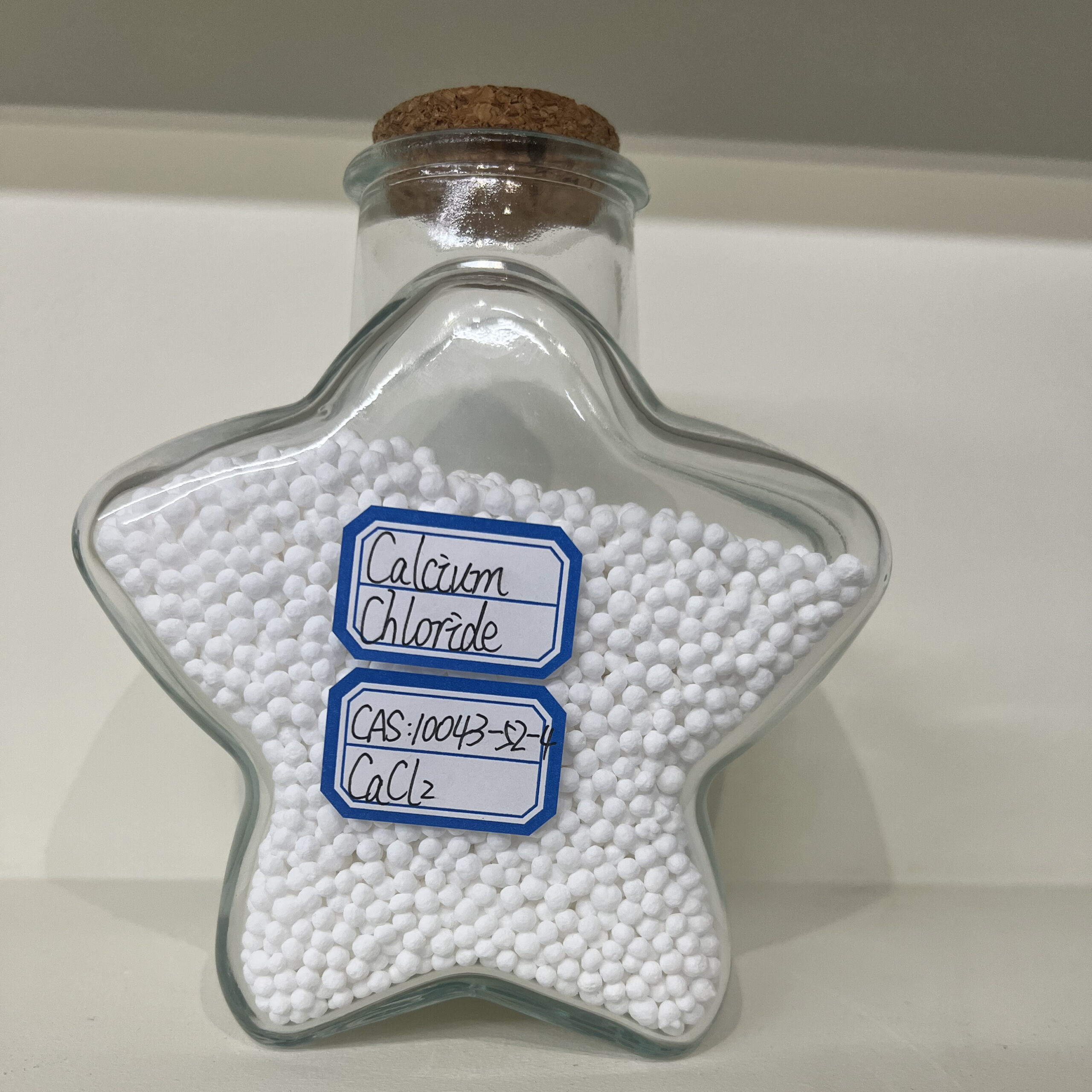
Calcium Chloride (CaCl₂) is a cost-effective and widely used inorganic agent in water treatment.
Table of Contents
Chemical Phosphorus Removal (Advanced Treatment)
- Working Principle: Under alkaline conditions, calcium ions (Ca²⁺) react with phosphate ions (PO₄³⁻) in the wastewater to form a precipitate of hydroxyapatite (Ca₅(PO₄)₃OH)—which has extremely low solubility—thereby achieving solid-liquid separation of the phosphorus.
- Application Benefits: It offers high phosphorus removal efficiency (up to 98%) and produces stable precipitates; it is suitable for advanced phosphorus removal from municipal sewage and industrial wastewater (e.g., from chemical, food processing, and metal surface treatment industries) and effectively prevents water eutrophication.
Fluoride Removal (Industrial Wastewater Treatment)
- Working Principle: Calcium ions react with fluoride ions (F⁻) in the wastewater to form water-insoluble calcium fluoride (CaF₂) precipitate; the fluoride ions are then removed through filtration.
- Application Benefits: Highly effective for industries generating high-fluoride wastewater—such as electroplating, glass manufacturing, and chemical processing—it significantly reduces fluoride ion concentrations in the effluent, ensuring compliance with discharge standards.
Enhanced Coagulation and Demulsification (Pre-treatment)
- Working Principle: Calcium ions compress the electrical double layers of colloids and oil droplets, neutralize negative charges, and lower the zeta potential, thereby destabilizing and coalescing emulsified oil droplets (demulsification). Simultaneously, calcium ions act as “ionic bridges” or “nucleation sites,” working synergistically with coagulants (such as PAC) to promote floc formation and accelerate sedimentation.
- Application Benefits: Suitable for treating oily wastewater (e.g., machining emulsions, automotive repair wastewater) and low-temperature, low-turbidity water; it significantly enhances solid-liquid separation efficiency and reduces the load on downstream treatment processes.
pH and Water Quality Adjustment (Pre-treatment/Synergistic Treatment)
- Working Principle: Aqueous calcium chloride solution is neutral to slightly alkaline; it can neutralize a portion of acidic wastewater and work synergistically with alkalis (such as sodium hydroxide) to adjust the pH. This stabilizes the pH within the optimal range (pH 7–9) required for subsequent biological treatment (e.g., A/O systems), thereby protecting microorganisms.
- Application Benefits: Additionally, calcium ions replenish water hardness and facilitate the formation of a protective calcium carbonate film, which reduces pipeline corrosion and scaling in circulating or reclaimed water systems.
Sludge Conditioning and Dewatering (Sludge Disposal)
- Working Principle: Calcium ions neutralize the negative charges on sludge colloidal particles, alter surface properties, reduce hydrophilicity, promote the formation of a rigid skeletal network among sludge particles, and increase the specific gravity of the sludge.
- Application Benefits: When used in conjunction with cationic polyacrylamide (CPAM), it significantly lowers the moisture content of the sludge after pressure filtration (by 3%–8%), reduces sludge volume, and lowers costs for subsequent landfilling or incineration.
Bactericidal Disinfection (Supplementary Treatment)
- Working Principle: Chloride ions (Cl⁻) released when calcium chloride dissolves in water alter the permeability of bacterial cell membranes, thereby inhibiting or killing certain acid- and alkali-resistant bacteria.
- Application Benefits: Serving as a supplementary disinfection measure, it paves the way for subsequent rigorous disinfection stages and reduces the biological toxicity of the water.
In practical application, the dosage of calcium chloride must be precisely controlled based on wastewater characteristics (such as pH and pollutant concentration) to prevent excessive calcium ion levels or the formation of secondary precipitates (e.g., calcium sulfate resulting from reactions with sulfate ions), which could impair treatment performance.
Hangzhou Aiteli Nano Tech Co., Ltd provide Calcium Chloride, Calcium Chloride Hydrate, Calcium Chloride Dihydrate, Calcium Chloride Tetrahydrate, Calcium Chloride Hexahydrate.