

Table of Contents
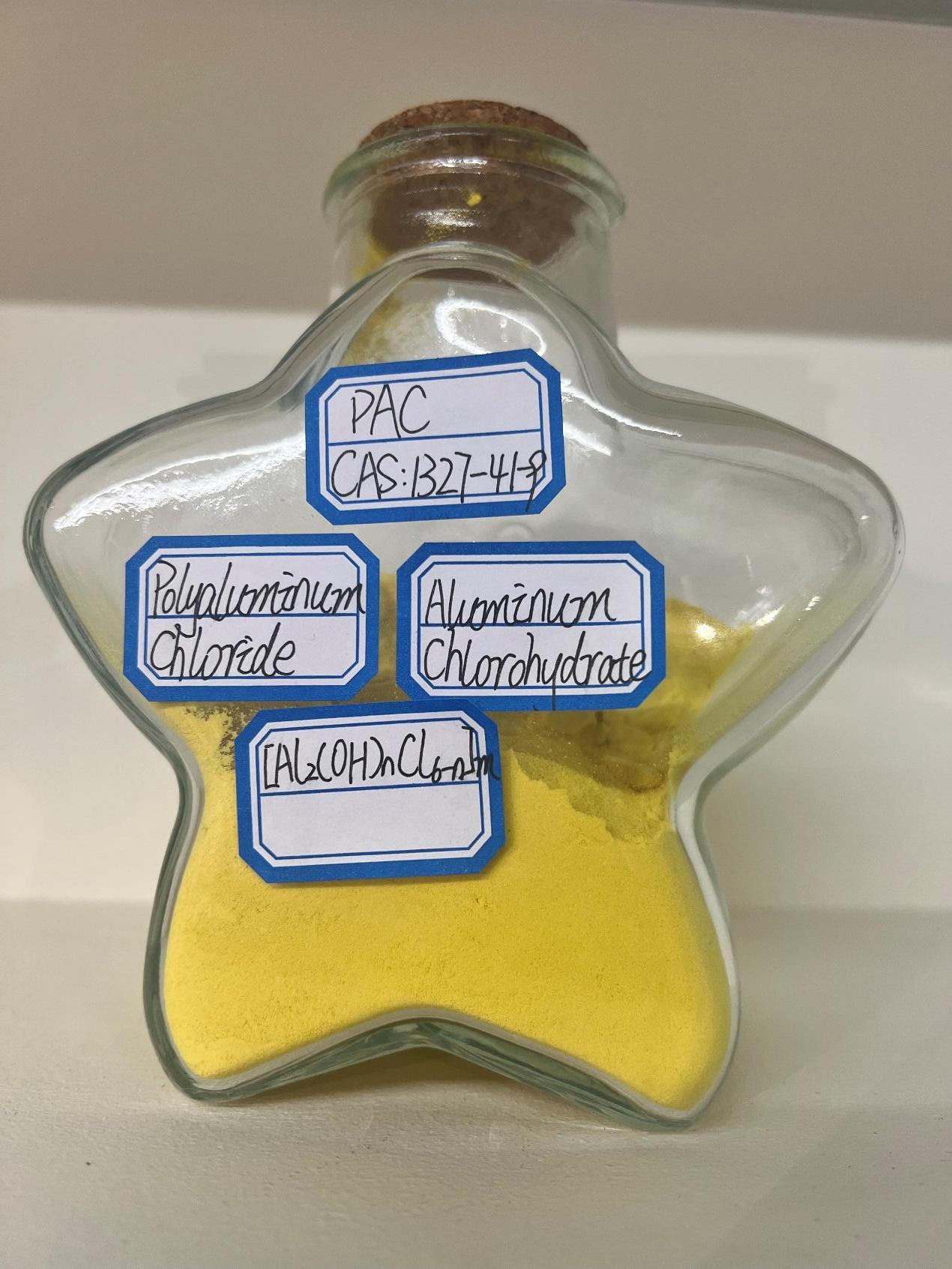
Polyaluminium Chloride (PAC) is a highly efficient inorganic polymer coagulant. In water treatment, it primarily functions as a core agent for coagulation and sedimentation, while also providing auxiliary benefits such as phosphorus removal, decolorization, and the elimination of organic matter and heavy metals. Its mode of action relies on physicochemical mechanisms including charge neutralization, adsorption-bridging, compression of the electrical double layer, and precipitate enmeshment (sweep flocculation).
Specific functions and application scenarios are as follows:
1. Coagulation and Sedimentation (Core Function)
Mechanism: Upon dissolution in water, polyaluminum chloride hydrolyzes to form positively charged polynuclear hydroxy complexes that neutralize negatively charged colloidal particles, causing them to destabilize. Simultaneously, its long polymer chains adsorb and bridge multiple particles together, forming large, dense flocs; this accelerates sedimentation and facilitates solid-liquid separation.
Effectiveness: Rapidly reduces water turbidity by removing suspended particles such as silt, clay, and algae, quickly clarifying murky water. It is widely used in drinking water purification (municipal waterworks) and the primary treatment of various types of wastewater.
2. Phosphorus Removal
•Mechanism: Trivalent aluminum ions in PAC react chemically with phosphate ions in the water to form insoluble aluminum phosphate precipitates; phosphorus is also removed through the enmeshment action of the flocs.
•Effectiveness: Effectively reduces total phosphorus (TP) levels in wastewater and prevents water eutrophication. It is commonly used for phosphorus removal in municipal wastewater treatment plants and industrial wastewater treatment (e.g., for fertilizer production and aquaculture wastewater).
3. Removal of organic matter, decolorization, and oil removal
•Mechanism: The colloids generated during polyaluminum chloride hydrolysis possess a large specific surface area and strong adsorption capabilities; they adsorb organic matter (such as COD and BOD) and pigments from the water, while also facilitating oil-water separation.
•Application results: Effectively removes color, chemical oxygen demand (COD), and biochemical oxygen demand (BOD), while achieving emulsion breaking and oil removal. Widely used in treating printing and dyeing wastewater (decolorization), papermaking wastewater (organic matter removal), and oily wastewater (e.g., from petrochemical and machining industries).
4. Removal of heavy metals and toxic substances
•Mechanism: Adsorbs and precipitates heavy metal ions (such as lead, mercury, and cadmium) and certain radioactive substances from the water through electrostatic adsorption, complexation, or co-precipitation.
•Application results: Reduces the levels of heavy metals and toxic substances, thereby improving water safety; commonly used in the treatment of industrial wastewater from sectors such as electroplating, metallurgy, and mining.
5. pH adjustment
•Mechanism: PAC hydrolysis produces an acidic effect, neutralizing alkalinity in the water and adjusting the pH to an optimal range (typically 6.5–7.5), thereby creating favorable conditions for subsequent water treatment processes (such as biochemical treatment).
Summary: Due to its rapid flocculation speed, formation of large and rapidly settling flocs, broad applicable pH range, and low cost, PAC has become an indispensable water purification agent for drinking water, municipal sewage, and industrial wastewater treatment. It is frequently used in conjunction with high-molecular-weight flocculants like polyacrylamide (PAM) to achieve optimal purification results.
Typical Application Scenarios
• Pre-treatment stage: Dosing in primary sedimentation tanks to remove 60%–80% of suspended solids, thereby reducing the load on the biological treatment system.
• Advanced treatment stage: Further “polishing” of water quality after secondary sedimentation to ensure the effluent meets discharge standards.
• Sludge conditioning: Acting as a dewatering agent to improve sludge dewatering performance and reduce water content.
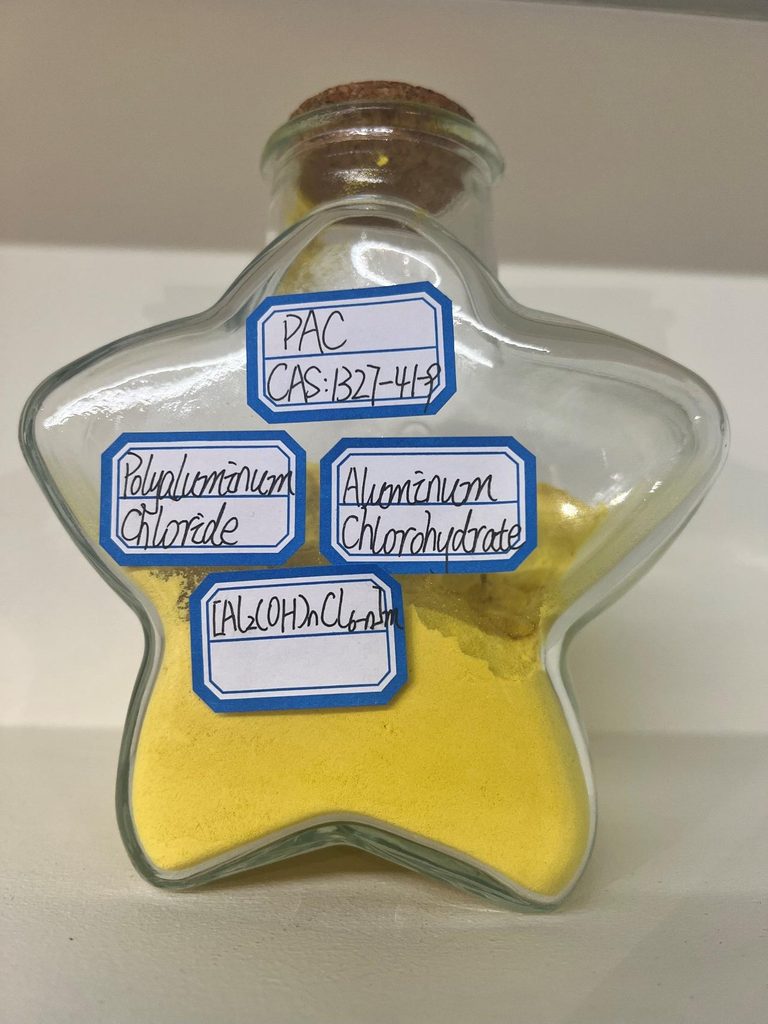
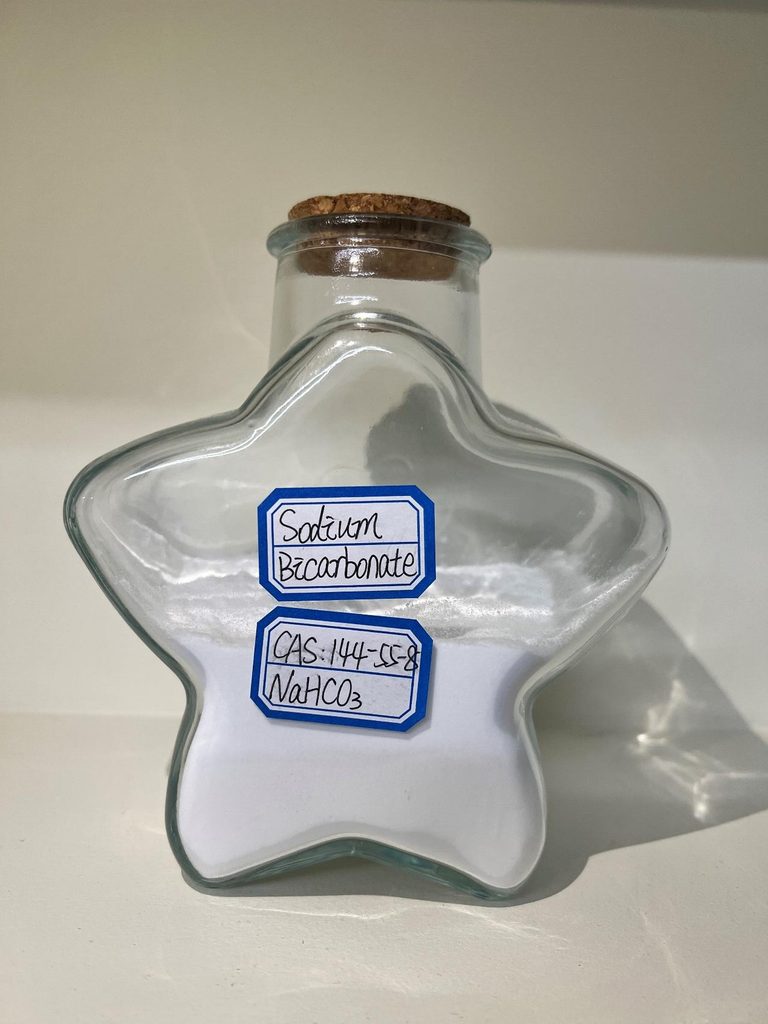
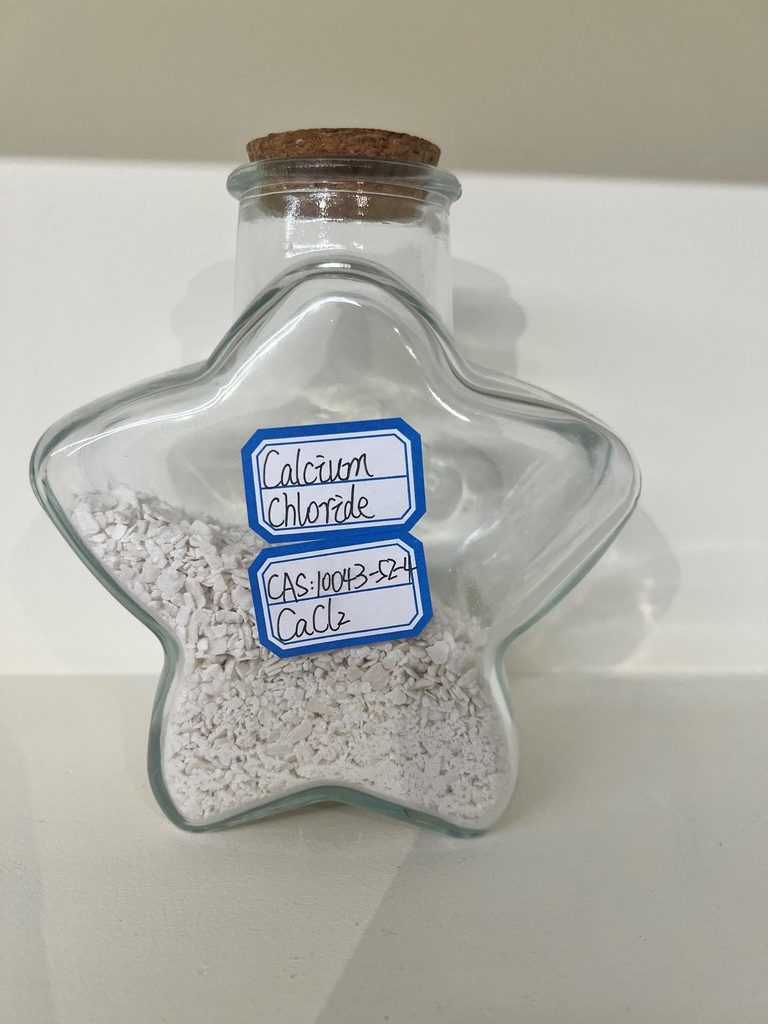
Hangzhou AITELI Nano-Tech Co., Ltd provide a series water treatment chemical, include Calcium Chloride, Caustic Soda (Sodium Hydroxide), Soda Ash, Sodium Bicarbonate, Sodium Bisulfite, and polyaluminium chloride